Know your customers better through CRM
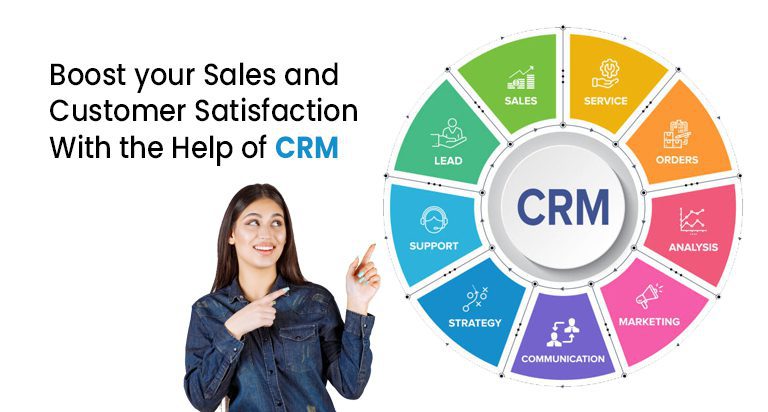
Understanding your customers is the foundation of any successful business. In today’s competitive landscape, knowing what your customers want, how they behave, and what drives their decisions can set you apart. Customer Relationship Management (CRM) systems provide the tools to collect, analyze, and leverage customer data effectively. By centralizing interactions across sales, marketing, and support, CRM enables businesses to gain deeper insights into customer preferences and behavior.
This knowledge empowers personalized engagement, improves customer satisfaction, and increases retention. With the right CRM strategy, companies can anticipate needs, build stronger relationships, and drive long-term growth through informed decision-making.
- Understand Your Customers Deeply with CRM Insights
- Understand Your Customers Better with CRM Insights
- What Are the 4 Key CRM Principles for Understanding Your Customers Better?
- Customer-Centricity: Placing the Customer at the Heart of Your Strategy
- Data-Driven Insights: Leveraging Information to Understand Behavior
- Consistent Communication: Building Trust Through Reliable Engagement
- What are the 7 C's of CRM and how do they enhance customer understanding?
- How Customer-Centric Strategies Deepen Market Insight
- The Role of Communication and Collaboration in Building Trust
- Customization, Convenience, and Community as Drivers of Engagement
- How can CRM enhance customer service by improving customer insights?
- Centralized Customer Data for a 360-Degree View
- Personalized Interactions Based on Behavioral Insights
- Predictive Analytics for Proactive Service
- Frequently Asked Questions
Understand Your Customers Deeply with CRM Insights
Modern businesses thrive on meaningful customer relationships, and gaining a deeper understanding of customer behaviors, preferences, and needs is fundamental to long-term success. Customer Relationship Management (CRM) systems serve as powerful tools that centralize customer data from multiple touchpoints—from sales and marketing to customer service—enabling organizations to create comprehensive customer profiles.
With a well-implemented CRM, companies can track interactions, analyze buying patterns, and anticipate future needs, transforming raw data into actionable insights. This holistic view allows businesses to personalize communication, improve service delivery, and increase customer satisfaction and retention. By leveraging CRM analytics, organizations move beyond guesswork and make informed, customer-centric decisions that drive growth and competitive advantage.
Centralized Customer Data for a 360-Degree View
A key benefit of CRM systems is their ability to consolidate customer information from various channels—email, phone calls, social media, website visits, and transactions—into a single, unified platform. This 360-degree view ensures that every team member, whether in sales, marketing, or support, has access to up-to-date and accurate customer profiles. Having centralized data eliminates information silos and reduces the risk of miscommunication or duplicated efforts.
Teams can track customer journeys in real time, understand historical interactions, and respond more effectively to inquiries or issues. As a result, businesses can deliver more consistent and personalized experiences, which strengthen trust and loyalty.
| Feature | Benefit | Business Impact |
|---|---|---|
| Unified Customer Profiles | Complete view of customer interactions and history | Improves personalization and service efficiency |
| Cross-Channel Integration | Seamless data flow across email, social, and sales | Reduces operational gaps and response time |
| Automated Data Capture | Minimizes manual entry and human error | Increases data accuracy and employee productivity |
Enhanced Personalization Through Behavioral Analysis
CRM platforms use advanced analytics to interpret customer behavior, such as purchase frequency, product preferences, and response to marketing campaigns. By identifying patterns in this data, businesses can segment customers into targeted groups and deliver personalized content, offers, and recommendations. For example, an e-commerce company can use CRM insights to send tailored product suggestions based on browsing history or past purchases.
This level of personalization increases engagement rates, conversion, and average order value. Moreover, understanding the customer lifecycle helps companies anticipate needs and proactively offer solutions, turning routine interactions into opportunities for stronger relationships.
Improved Customer Retention with Proactive Engagement
One of the most significant advantages of CRM is its ability to support proactive customer engagement, which is essential for customer retention. CRM systems can flag customers who haven’t made a purchase in a while or who have expressed dissatisfaction, prompting teams to reach out with special offers or support. Automated workflows and reminders ensure consistent follow-ups, making customers feel valued and understood.
Additionally, tracking customer satisfaction metrics like Net Promoter Score (NPS) over time allows companies to identify trends and address issues before they escalate. By staying engaged and responsive, businesses reduce churn and foster long-term loyalty.
Understand Your Customers Better with CRM Insights
What Are the 4 Key CRM Principles for Understanding Your Customers Better?
Customer-Centricity: Placing the Customer at the Heart of Your Strategy
Customer-centricity is the foundational principle of effective CRM, emphasizing that all business decisions should revolve around the customer’s needs, preferences, and experiences. This requires companies to shift from transaction-focused operations to building long-term relationships. By adopting a customer-first mindset, organizations gather insights that inform product development, service delivery, and support systems. This focus helps align internal teams—from sales and marketing to customer service—toward shared goals centered on customer satisfaction and loyalty.
- Conduct regular customer feedback surveys and analyze responses to identify pain points and areas for improvement.
- Train all customer-facing employees to prioritize empathy and problem-solving in every interaction.
- Use customer journey mapping to visualize touchpoints and eliminate friction in the experience.
Data-Driven Insights: Leveraging Information to Understand Behavior
Data is a powerful enabler in CRM, helping businesses move beyond assumptions and make informed decisions based on actual customer behavior. By collecting and analyzing data from various channels—such as purchase history, website activity, social media interactions, and service inquiries—companies can uncover patterns and preferences. This insight allows for more accurate segmentation, personalized communication, and proactive engagement. Ensuring data accuracy and privacy compliance is equally important to maintain trust and deliver relevant experiences.
- Integrate CRM software with marketing, sales, and support platforms to centralize customer information.
- Apply analytics tools to identify buying trends, churn risks, and opportunities for upselling.
- Regularly clean and update customer databases to maintain data quality and relevance.
Consistent Communication: Building Trust Through Reliable Engagement
Consistency in communication strengthens customer relationships by fostering reliability and trust. Customers expect seamless interactions across multiple channels—whether via email, phone, social media, or in person. A unified communication strategy ensures that messaging, tone, and service levels remain coherent, regardless of the platform or department involved. Automating routine communications while maintaining a personalized touch can enhance efficiency without sacrificing the human element.
- Develop standardized response templates for common inquiries while allowing customization based on customer history.
- Use CRM automation to schedule follow-ups, renewal reminders, and personalized content delivery.
- Monitor cross-channel interactions to ensure all teams have access to up-to-date customer conversation logs.
What are the 7 C's of CRM and how do they enhance customer understanding?
The 7 C's of CRM—Customer, Collaboration, Communication, Customization, Content, Community, and Convenience—are foundational principles that guide organizations in building stronger, more meaningful relationships with their customers. Together, they create a comprehensive framework for improving customer understanding by focusing on personalization, engagement, and seamless experiences. By aligning business strategies around these principles, companies can gather deeper insights into customer behaviors, preferences, and expectations, enabling them to deliver value more effectively and efficiently.
How Customer-Centric Strategies Deepen Market Insight
A customer-centric approach places the individual at the heart of every business decision, allowing organizations to better anticipate needs and tailor solutions. This mindset encourages data collection across multiple touchpoints, helping businesses build detailed customer profiles. As a result, companies gain actionable insights into purchasing patterns, feedback trends, and emotional drivers behind consumer choices.
- By prioritizing the customer’s perspective, businesses uncover pain points and unmet expectations, enabling proactive service improvements.
- Customer feedback loops become integral to product development, aligning offerings with real-world usage and preferences.
- Data collected from interactions helps segment audiences more precisely, facilitating targeted marketing and personalized messaging.
The Role of Communication and Collaboration in Building Trust
Effective communication and collaboration across departments and with customers foster transparency and responsiveness. Open channels between sales, support, marketing, and management ensure consistent messaging and quicker resolution of customer issues. Internally synchronized teams are better equipped to interpret and act upon customer data, leading to improved service delivery.
- Regular, two-way communication helps capture nuanced customer sentiments, which can be analyzed for trends and emotional context.
- Interdepartmental collaboration ensures that insights from one team—such as support ticket analysis—are shared across marketing or product design for holistic improvement.
- Customers who feel heard and understood are more likely to provide honest feedback, enriching the organization's understanding of their motivations and concerns.
Customization, Convenience, and Community as Drivers of Engagement
Personalized experiences, ease of access, and a sense of belonging significantly influence customer loyalty and satisfaction. When CRM systems support customization based on user behavior, they enable tailored interactions that resonate more deeply. Convenience ensures that customers can engage seamlessly across platforms, while community involvement fosters emotional connection.
- Customization allows businesses to recommend products, send relevant content, and design interfaces based on individual behavior, enhancing perceived value.
- Convenience through omnichannel support—such as chat, email, and mobile apps—ensures customers are understood regardless of how or where they interact.
- Community-building initiatives, such as user forums or brand-led events, generate qualitative data about customer identities, interests, and peer influences, enriching overall understanding.
How can CRM enhance customer service by improving customer insights?
Centralized Customer Data for a 360-Degree View
A CRM system consolidates customer information from multiple channels—such as email, phone calls, social media, and website interactions—into a single, unified platform. This centralized data repository allows customer service teams to access a comprehensive view of each customer’s history, preferences, and previous interactions. With all relevant information at their fingertips, agents can respond more accurately and efficiently, reducing the need for customers to repeat themselves.
- Integrates data from sales, marketing, and support interactions to create a complete customer profile.
- Enables agents to view past purchases, support tickets, and communication history in real time.
- Reduces response times and minimizes errors by eliminating the need to switch between multiple systems.
Personalized Interactions Based on Behavioral Insights
CRM systems track customer behaviors such as purchase patterns, browsing activity, and response to marketing campaigns. By analyzing this data, businesses gain actionable insights into individual preferences and needs. These insights empower customer service representatives to tailor their responses and recommendations, leading to more relevant and satisfying interactions. Personalization fosters stronger relationships and increases customer loyalty over time.
- Identifies buying trends and predicts future needs through historical behavior analysis.
- Allows service teams to anticipate issues and offer proactive solutions before customers reach out.
- Supports targeted communication by aligning service messages with customer interests and past actions.
Predictive Analytics for Proactive Service
Advanced CRM platforms incorporate predictive analytics that use machine learning and data modeling to forecast customer behavior. These capabilities help identify at-risk customers, predict service issues, and recommend optimal engagement strategies. By acting on these insights, companies can shift from reactive to proactive customer service, addressing concerns before they escalate and enhancing overall satisfaction.
- Flags customers showing signs of dissatisfaction based on interaction patterns and sentiment analysis.
- Recommends next-best actions for agents, such as offering discounts or scheduling follow-up calls.
- Improves resource allocation by identifying high-value customers who may need prioritized support.
Frequently Asked Questions
What is CRM and how does it help in understanding customers?
CRM, or Customer Relationship Management, is a system that manages all interactions with current and potential customers. It centralizes customer data, tracks communication, and analyzes behavior to help businesses better understand customer needs, preferences, and buying patterns. By organizing this information, companies can personalize service, anticipate demands, and build stronger, long-term relationships, leading to improved satisfaction and loyalty.
How does CRM improve customer service?
A CRM system enhances customer service by providing quick access to customer history, preferences, and past interactions. Support teams can respond faster and more accurately, offering personalized solutions. CRM also enables automation of service tasks, tracks issues to resolution, and ensures consistent communication across channels. This efficiency increases customer satisfaction, reduces response times, and helps deliver a seamless service experience tailored to individual customer needs.
Can CRM help in identifying customer trends and behaviors?
Yes, CRM systems collect and analyze large volumes of customer data, allowing businesses to identify trends, purchasing patterns, and behavioral insights. By tracking interactions across sales, marketing, and service channels, CRM tools reveal which products are popular, when customers are most engaged, and what influences their decisions. This helps companies anticipate needs, refine strategies, and make data-driven decisions to better serve their customer base.
How does CRM support personalized marketing campaigns?
CRM supports personalized marketing by segmenting customers based on demographics, behaviors, and purchase history. Marketers can create targeted campaigns with tailored messages, offers, and product recommendations. This level of personalization increases engagement, boosts conversion rates, and enhances customer loyalty. CRM also tracks campaign performance in real time, enabling continuous optimization to ensure marketing efforts align with individual customer preferences and maximize return on investment.
Leave a Reply