Build a smarter sales system with CRM
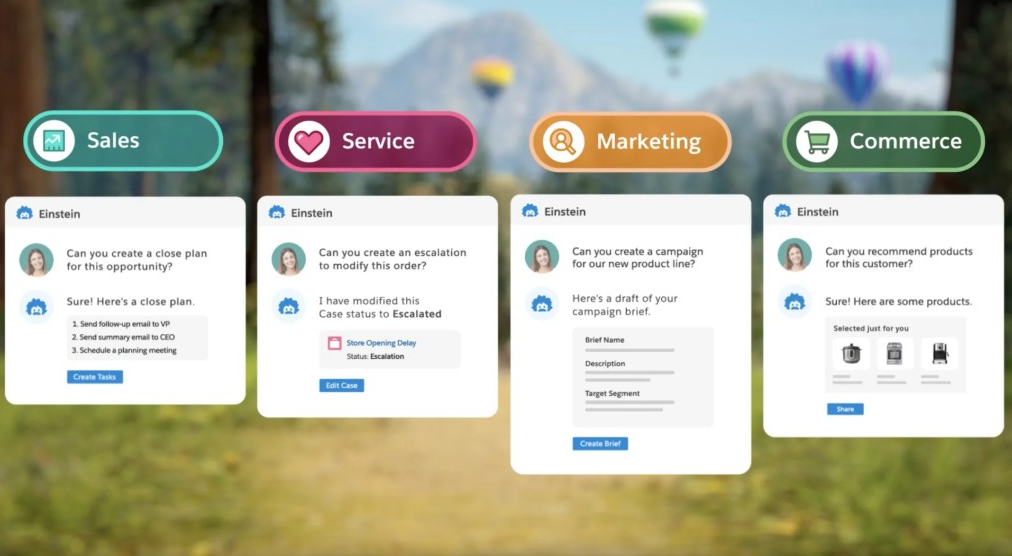
In today’s fast-paced business environment, building a smarter sales system is essential for staying competitive. Customer Relationship Management (CRM) platforms have evolved from simple contact databases into powerful tools that streamline sales processes, enhance customer interactions, and drive revenue growth. By centralizing customer data, automating routine tasks, and providing actionable insights through analytics, CRM systems empower sales teams to focus on what matters most—closing deals.
A well-implemented CRM not only improves efficiency but also fosters stronger relationships, increases customer retention, and enables scalable growth. Discover how integrating CRM technology can transform your sales strategy into a smarter, more responsive engine for success.
- Transform Your Sales Process with a Smarter CRM-Driven System
- Build a Smarter Sales System with CRM: A Comprehensive Guide
- What Are the 7 C's of CRM and How Do They Shape a Smarter Sales System?
- How Do Clarity and Customization Drive CRM Effectiveness?
- Why Are Collaboration, Consistency, and Continuous Improvement Essential for Modern CRM?
- Can you create a custom CRM to build a smarter sales system?
- Enhanced Data Integration and Centralization
- Process Automation Tailored to Sales Workflows
- Advanced Analytics and Predictive Insights
- What Are the 4 Key CRM Principles to Build a Smarter Sales System?
- Customer-Centric Focus
- Seamless Data Integration
- Process Automation and Scalability
- Frequently Asked Questions
Transform Your Sales Process with a Smarter CRM-Driven System
Implementing a smarter sales system powered by Customer Relationship Management (CRM) technology enables businesses to streamline workflows, improve customer interactions, and drive predictable revenue growth. A modern CRM acts as the central nervous system of the sales department, integrating data across departments and providing real-time insights into customer behavior, sales performance, and pipeline health. By automating repetitive tasks such as data entry, follow-up reminders, and lead scoring, sales teams can focus on high-value activities like building relationships and closing deals.
Additionally, intelligent CRMs leverage artificial intelligence (AI) and machine learning to deliver predictive analytics, personalized outreach suggestions, and forecasting accuracy, empowering sales leaders to make data-driven decisions. With a well-structured CRM system, companies gain a competitive edge by aligning their sales strategies with actionable intelligence and scalable processes.
Centralize Customer Data for a 360-Degree View
A core advantage of building a smarter sales system with CRM is the ability to centralize customer data from multiple touchpoints—emails, calls, social media, support tickets, and web interactions—into a single, unified platform. This 360-degree view of each customer enables sales representatives to understand buyer history, preferences, and pain points more effectively, resulting in highly personalized engagement. No longer do teams need to rely on fragmented spreadsheets or outdated notes; instead, every interaction is automatically logged and accessible in real time.
This level of visibility reduces miscommunication, prevents duplicate efforts, and fosters stronger customer relationships by ensuring consistency across all channels. With comprehensive profiles at their fingertips, sales professionals can anticipate needs and deliver relevant solutions faster.
| Data Source | CRM Integration Benefit | Impact on Sales |
|---|---|---|
| Email & Calendar | Automated activity logging | Reduces manual entry, increases accuracy |
| Social Media | Lead engagement tracking | Identifies warm leads through social interactions |
| Website Forms | Instant lead capture and routing | Shortens response time, improves conversion |
| Customer Support | Service history visibility | Enables cross-sell and upsell opportunities |
Automate Workflows to Increase Sales Efficiency
Sales automation within a CRM drastically improves efficiency by eliminating time-consuming administrative tasks that often distract reps from selling. Features like automated lead assignment, follow-up email sequences, task reminders, and data synchronization ensure that no opportunity slips through the cracks. For example, when a lead downloads a whitepaper, the CRM can automatically score that lead, assign it to the appropriate salesperson, and trigger a personalized email campaign—all without human intervention.
These process efficiencies allow sales teams to scale outreach, reduce response times, and maintain consistent communication. Over time, workflow automation leads to shorter sales cycles, higher conversion rates, and a more predictable revenue pipeline.
Leverage AI-Powered Insights for Smarter Decision-Making
Today’s advanced CRM platforms come equipped with AI-powered analytics that transform raw sales data into strategic insights. These tools can predict which leads are most likely to convert, recommend the best time to contact prospects, and even suggest personalized content based on past behavior. Sales managers can use forecasting models to anticipate revenue trends and adjust strategies proactively, while reps receive real-time guidance during customer interactions. By surfacing hidden patterns and surfacing actionable recommendations, AI transforms the CRM from a passive database into an intelligent sales assistant. This shift empowers organizations to move from reactive selling to proactive, insight-driven growth.
Build a Smarter Sales System with CRM: A Comprehensive Guide
What Are the 7 C's of CRM and How Do They Shape a Smarter Sales System?
The 7 C's of CRM—Clarity, Customization, Collaboration, Consistency, Control, Confidence, and Continuous Improvement—are foundational principles that guide organizations toward building an efficient and intelligent sales system. Clarity ensures that sales goals, customer profiles, and workflows are clearly defined, reducing ambiguity and enhancing decision-making. Customization allows CRM systems to be tailored to specific business processes and customer needs, improving user adoption and relevance. Collaboration fosters seamless communication across departments such as sales, marketing, and customer service, ensuring a unified approach to customer engagement.
Consistency refers to maintaining uniform data practices, messaging, and customer experiences across all touchpoints, which builds trust and professional reputation. Control means providing users with the authority and tools to manage customer data and sales activities effectively, promoting accountability. Confidence is built when teams trust the CRM data and tools, encouraging proactive customer interactions.
Finally, Continuous Improvement involves using analytics and feedback to refine sales strategies and CRM functionalities over time, adapting to changing market demands.
- Clarity minimizes confusion by clearly outlining goals, roles, and customer data structures within the CRM platform.
- Customization enables businesses to adjust fields, dashboards, and workflows to match unique sales cycles and industry requirements.
- Collaboration tools such as shared calendars, activity logs, and internal messaging help teams work together efficiently toward closing deals.
- Consistency ensures that customer interactions follow established guidelines, improving brand reliability and reducing errors.
- Control is achieved through role-based permissions and data access, allowing teams to manage, update, and track their responsibilities.
- Confidence grows when sales representatives rely on accurate, up-to-date data to engage prospects and close sales effectively.
- Continuous Improvement uses performance reports, customer feedback, and CRM analytics to identify gaps and optimize the sales process.
How Do Clarity and Customization Drive CRM Effectiveness?
Clarity and customization are critical for ensuring that a CRM system functions as a powerful sales enabler rather than a data repository. Clarity ensures that every user understands the purpose of the CRM, what data to collect, how to input it, and how it contributes to the larger sales strategy. A well-defined CRM structure with clear naming conventions, workflows, and processes prevents data silos and redundancy.
Customization extends this by allowing organizations to adapt the CRM interface and functionality to their specific needs. For instance, a B2B company may require detailed fields for decision-makers and procurement timelines, while a B2C business might focus on segmentation and purchase frequency. By aligning the CRM with real sales workflows, customization enhances usability and efficiency, reducing resistance from sales teams.
Together, clarity and customization ensure that CRM data is high-quality, relevant, and actionable.
- Clarity improves data accuracy by defining precise entry standards and usage protocols across the sales team.
- Custom fields allow businesses to capture industry-specific data points that are directly relevant to their sales process.
- Custom dashboards can display key performance indicators specific to each sales role, increasing focus and accountability.
- Workflow automation rules can be tailored to trigger follow-ups or alerts based on unique business criteria.
- Segmentation tools enable precise targeting by organizing contacts based on clear demographic, behavioral, or transactional traits.
- Reporting templates customized for different stakeholders enhance comprehension and strategic alignment.
- User adoption increases when the CRM feels intuitive and aligned with how sales teams actually work.
Why Are Collaboration, Consistency, and Continuous Improvement Essential for Modern CRM?
In modern sales environments, collaboration, consistency, and continuous improvement ensure that CRM systems evolve with business needs and deliver long-term value. Collaboration transforms CRM from a standalone tool into a central hub where sales, marketing, and customer service teams exchange insights and coordinate actions. Features like shared pipelines, team calendars, and communication logs break down departmental barriers and enable faster, more informed decision-making. Consistency ensures that every customer interaction—whether via email, phone, or chat—reflects the same brand voice and service standard, reinforcing reliability and professionalism.
When data and communication protocols are standardized, it reduces miscommunication and enhances customer satisfaction. Continuous Improvement closes the loop by using CRM data to assess performance, identify bottlenecks, and implement changes. Regular reviews of conversion rates, response times, and customer feedback allow organizations to refine their sales approach and make data-driven decisions that lead to higher efficiency and revenue growth.
- Collaboration tools let teams view and comment on shared customer records, avoiding duplicated efforts and misaligned messaging.
- Consistent data entry formats and communication templates ensure uniformity across all customer-facing interactions.
- Integrated communication platforms within CRM streamline handoffs between departments, reducing response delays.
- Real-time updates on customer activities help teams stay informed and respond promptly to changing needs.
- Performance analytics identify underperforming stages in the sales funnel, prompting targeted adjustments.
- Feedback loops from customers and sales reps highlight usability issues or process inefficiencies in the CRM setup.
- Iterative updates based on data insights keep the CRM system aligned with shifting market dynamics and business objectives.
Can you create a custom CRM to build a smarter sales system?
Yes, you can create a custom CRM to build a smarter sales system. A tailored Customer Relationship Management (CRM) platform allows businesses to design workflows, data structures, and automation specifically aligned with their sales processes, customer profiles, and strategic goals. Unlike off-the-shelf solutions that impose standardized features, a custom CRM can integrate unique functionality such as predictive lead scoring, intelligent routing, deep analytics, and seamless connections to existing tools like email, calendars, and ERP systems.
This level of personalization helps sales teams reduce manual tasks, prioritize high-value opportunities, and improve conversion rates through data-driven insights tailored to their industry and customer behavior.
Enhanced Data Integration and Centralization
- A custom CRM enables the consolidation of customer data from multiple channels—such as email, social media, web forms, phone calls, and third-party platforms—into a unified database, ensuring that every interaction is tracked in one accessible location.
- By designing the data architecture specifically for your business needs, you can eliminate data silos and ensure real-time synchronization across departments, improving responsiveness and coordination between sales, marketing, and support teams.
- Advanced integration capabilities allow your CRM to pull in external data sources like market trends, customer sentiment analysis, or purchase history from e-commerce platforms, creating a 360-degree view of each prospect and client.
Process Automation Tailored to Sales Workflows
- Custom CRMs can automate repetitive tasks such as lead entry, follow-up reminders, status updates, and email sequences based on triggers that match your specific sales cycle stages and team behavior patterns.
- Automation rules can be designed to escalate high-priority leads, assign tasks based on territory or expertise, and notify managers about bottlenecks, ensuring faster response times and consistent follow-up.
- With intelligent workflow automation, sales representatives can focus more on relationship-building and closing deals rather than administrative duties, increasing productivity and reducing human error.
Advanced Analytics and Predictive Insights
- A custom CRM can embed advanced analytics engines that go beyond basic reporting, offering predictive models that forecast sales trends, customer churn risks, and upsell opportunities based on historical and real-time data.
- Machine learning algorithms can be trained on your specific sales data to score leads more accurately, recommend next-best actions, and identify patterns that generic CRMs might overlook.
- Custom dashboards and KPI tracking can be built to reflect your team’s unique performance metrics, enabling data-driven decision-making at both individual and organizational levels.
What Are the 4 Key CRM Principles to Build a Smarter Sales System?
Customer-Centric Focus
A customer-centric focus is the foundation of any effective CRM strategy. It emphasizes placing the customer at the center of all sales and marketing efforts, ensuring that interactions are personalized, relevant, and timely. By understanding customer needs, behaviors, and preferences, businesses can tailor their communication and offerings to enhance satisfaction and loyalty.
This principle requires collecting and analyzing customer data to create comprehensive profiles, enabling sales teams to engage in meaningful conversations and anticipate future needs. A customer-first approach drives long-term relationships and increases customer lifetime value.
- Collect comprehensive customer data including purchase history, communication preferences, and behavioral patterns to build detailed customer profiles.
- Personalize interactions by using customer insights to deliver relevant content, product recommendations, and timely follow-ups.
- Align sales, marketing, and customer service teams around shared customer goals to ensure a consistent and seamless experience across touchpoints.
Seamless Data Integration
Seamless data integration ensures that all customer information flows smoothly across platforms and departments within an organization. Without integrated systems, data silos can form, leading to fragmented customer views and inconsistent communication. A smart sales system relies on unified data from email, social media, customer service logs, and sales activities to provide a single source of truth. This enables teams to make informed decisions, avoid duplicate efforts, and maintain accurate records throughout the customer journey. Integration also supports automation, reducing manual entry and increasing operational efficiency.
- Connect CRM software with email, marketing automation, e-commerce, and support platforms to centralize customer information.
- Ensure real-time synchronization of data so all team members access up-to-date customer records and interaction histories.
- Use APIs and middleware solutions to bridge legacy systems with modern CRM tools, enabling smooth data transfer and minimizing disruptions.
Process Automation and Scalability
Automation is critical for building a smarter and more scalable sales system. By automating repetitive tasks such as lead assignment, follow-up emails, and data entry, sales teams can focus on high-value activities like relationship building and closing deals. Automated workflows ensure consistency and reduce human error, while also accelerating response times and improving lead nurturing. As businesses grow, a scalable CRM system adapts to increased data volumes, user counts, and process complexity without compromising performance or usability.
- Define and automate routine sales processes like lead qualification, task reminders, and opportunity stage updates to increase efficiency.
- Implement lead scoring models that automatically prioritize prospects based on engagement and demographic data.
- Choose CRM platforms with scalable architecture that support growing business needs through customizable features and cloud-based infrastructure.
Frequently Asked Questions
What is a CRM and how does it improve sales efficiency?
A CRM (Customer Relationship Management) system organizes customer data, tracks interactions, and streamlines communication across teams. It improves sales efficiency by automating repetitive tasks, providing real-time insights into customer behavior, and enhancing lead tracking. With a CRM, sales teams can prioritize high-value prospects, reduce response times, and close deals faster, resulting in improved productivity and higher conversion rates across the sales pipeline.
How can CRM help sales teams close more deals?
CRM systems help sales teams close more deals by centralizing customer information, tracking deal progress, and identifying bottlenecks in the sales funnel. They offer predictive analytics, task reminders, and pipeline visibility, enabling reps to follow up promptly and personalize outreach. Automated workflows reduce administrative tasks, allowing more time for selling. With better organization and data-driven insights, teams can focus on high-priority leads and improve overall deal conversion rates.
Can CRM systems integrate with other sales tools?
Yes, most modern CRM systems integrate seamlessly with email platforms, calendars, marketing automation tools, customer support software, and productivity apps. These integrations streamline workflows by synchronizing data across platforms, eliminating manual entry, and ensuring consistent communication. For example, connecting a CRM with email allows automatic logging of customer interactions. This unified ecosystem enhances collaboration, reduces errors, and empowers sales teams with complete, up-to-date customer insights across all touchpoints.
Is CRM suitable for small sales teams or just large enterprises?
CRM systems are beneficial for teams of all sizes. Small sales teams can use CRM platforms to organize contacts, track leads, and build professional workflows without complexity. Many CRMs offer scalable plans, user-friendly interfaces, and affordable pricing tailored to small businesses. By improving customer follow-up and providing growth insights, CRM helps small teams compete effectively. As the business grows, the CRM can expand features and user access, making it a valuable long-term investment.
Leave a Reply