Save time by automating tasks with CRM
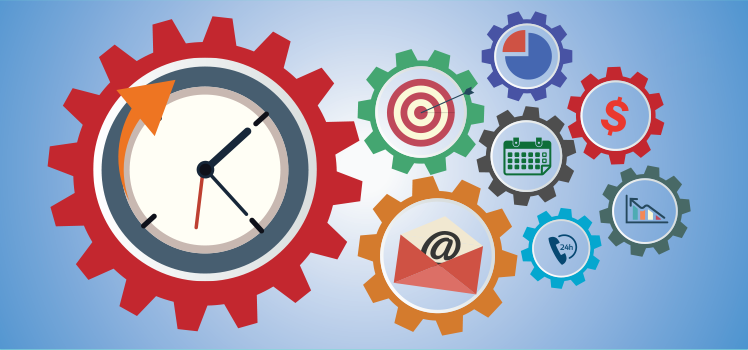
Time is one of the most valuable resources in business, and wasting it on repetitive, manual tasks can hinder growth and productivity. Customer Relationship Management (CRM) systems offer a powerful solution by automating routine processes such as data entry, lead tracking, follow-up reminders, and reporting. Automation streamlines workflows, reduces human error, and allows teams to focus on building relationships and closing deals.
With a CRM, businesses can respond faster to customer inquiries, maintain consistent communication, and scale operations efficiently. By leveraging automation, companies gain a competitive edge through improved accuracy, enhanced efficiency, and better customer experiences—all while saving precious time.
- Save Time by Automating Tasks with CRM
- Streamline Workflows by Automating Tasks with CRM
- How does CRM automation streamline routine tasks to save time?
- Automated Data Entry and Synchronization
- Efficient Lead Management and Nurturing
- Streamlined Communication and Task Reminders
- How can CRM automation streamline processes and save time?
- Automated Data Entry and Management
- Workflow Automation for Sales and Marketing
- Enhanced Customer Service and Support
- How can CRM automation save time by streamlining tasks?
- Automated Data Entry and Management
- Scheduled Follow-Ups and Reminders
- Intelligent Workflow Routing and Task Assignment
- How does CRM automation reduce time spent on business tasks?
- Automated Data Entry and Management
- Streamlined Communication Workflows
- Centralized Task and Sales Pipeline Tracking
- Frequently Asked Questions
Save Time by Automating Tasks with CRM
Customer Relationship Management (CRM) systems have evolved into powerful tools that go beyond managing contacts and sales pipelines. One of their most impactful features is automation, which enables businesses to streamline repetitive tasks, reduce manual effort, and improve overall efficiency. By automating routine activities such as data entry, follow-up emails, appointment scheduling, and lead nurturing, teams can focus on higher-value responsibilities like building customer relationships and strategizing growth.
With intelligent workflows and rule-based triggers, modern CRM platforms adapt to business processes and execute tasks without human intervention. This not only minimizes human error but also ensures consistent communication and faster response times, essential for enhancing customer satisfaction and boosting productivity across departments.
Automate Lead Capture and Distribution
Automating lead capture ensures that potential customer information gathered from websites, social media, or marketing campaigns is instantly recorded in the CRM without delays or omissions. Through integration with web forms, landing pages, and advertising platforms, new leads are automatically added to the system and categorized based on predefined criteria such as geography, industry, or behavior.
Rules can then route these leads to the appropriate sales representative or team, reducing response time and preventing lost opportunities. This structured approach increases conversion rates by ensuring timely follow-ups and enables sales managers to track lead performance more accurately. Automation also prevents lead stagnation by triggering alerts if a lead remains inactive or unassigned.
| Feature | Benefit | Use Case |
|---|---|---|
| Web Form Integration | Instantly captures leads from online sources | A visitor fills out a contact form; data flows directly into the CRM |
| Lead Scoring Automation | Identifies high-potential prospects automatically | CRM assigns scores based on engagement level and demographic fit |
| Round-Robin Assignment | Evenly distributes leads among sales reps | Fair workload distribution prevents overloading one team member |
Schedule and Follow Up with Customers Automatically
CRM automation simplifies customer communication by enabling businesses to schedule and dispatch follow-up messages based on triggers like a completed purchase, a missed meeting, or inactivity. Automated email sequences, SMS alerts, and task reminders ensure that no customer falls through the cracks, maintaining consistent engagement throughout the buyer’s journey. For example, after a demo call, the CRM can automatically send a thank-you email, schedule a follow-up task for the sales rep, and set a reminder to check in after one week.
These workflows drive accountability and improve customer experience by delivering timely, relevant interactions. Additionally, automated follow-ups are customizable, allowing companies to maintain a personalized tone at scale.
| Automation Type | Function | Impact |
|---|---|---|
| Email Sequences | Sends a series of pre-written emails based on user actions | Nurtures leads without manual input |
| Task Reminders | Alerts team members about pending follow-ups | Reduces missed opportunities due to oversight |
| Calendar Syncing | Automatically books meetings and sends invites | Eliminates back-and-forth communication for scheduling |
Reduce Manual Data Entry with Smart Workflows
One of the biggest time drains in sales and customer service is manual data entry, which not only slows down operations but also increases the risk of errors. CRM automation tackles this challenge by enabling smart workflows that populate fields, update records, and synchronize information across connected platforms. For instance, when a deal reaches a certain stage, the CRM can auto-fill contract details, update the customer profile, and trigger invoice generation in an integrated billing system.
By linking CRMs with tools like email clients, calendars, and project management software, data flows seamlessly across the ecosystem. This integration eliminates duplicates, ensures data accuracy, and allows employees to dedicate their time to strategic tasks rather than administrative chores.
| Workflow | Automation Action | Time Saved |
|---|---|---|
| Deal Stage Updates | Triggers field updates and notifications when a stage changes | Reduces manual status tracking by up to 60% |
| Email to CRM Logging | Automatically attaches customer emails to their contact record | Eliminates copy-pasting and missed communications |
| Cross-Platform Syncing | Shares data between CRM and other business tools in real time | Ensures team alignment and data consistency |
Streamline Workflows by Automating Tasks with CRM
How does CRM automation streamline routine tasks to save time?
CRM automation streamlines routine tasks to save time by leveraging technology to handle repetitive activities that traditionally require manual input, significantly reducing human error and increasing efficiency. By automating processes such as data entry, follow-up emails, task assignments, and lead scoring, CRM systems ensure that critical operations run smoothly without constant user intervention.
This allows sales, marketing, and customer service teams to focus on higher-value activities like building relationships and strategizing growth. Automated workflows can trigger actions based on predefined criteria—such as sending a welcome email after a new lead is captured or scheduling a reminder for a follow-up call—ensuring timeliness and consistency across customer interactions.
Automated Data Entry and Synchronization
- CRM automation eliminates the need for manual data input by automatically capturing information from various sources like web forms, emails, and social media interactions, thus saving significant time for employees.
- Integration with email, calendars, and other business tools ensures real-time synchronization of customer data across platforms, reducing duplication and discrepancies.
- Automatic enrichment of contact records with details such as job titles, company information, or engagement history allows teams to have a comprehensive view of each customer without having to gather data manually.
Efficient Lead Management and Nurturing
- CRM systems can automatically score and prioritize leads based on behavior, demographics, and engagement levels, enabling sales teams to focus their efforts on the most promising prospects.
- Predefined workflows can distribute leads to the appropriate sales representatives according to territory, expertise, or availability, reducing delays and ensuring faster response times.
- Automated email sequences and follow-up tasks nurture leads over time by delivering relevant content, keeping potential customers engaged without requiring manual intervention.
Streamlined Communication and Task Reminders
- CRM automation schedules and sends personalized customer communications, such as appointment reminders, renewal notices, and satisfaction surveys, ensuring consistent outreach with minimal effort.
- Task assignments and deadline reminders are automatically generated based on customer interactions or sales cycle stages, helping teams stay on track without needing to manage their to-do lists manually.
- Notifications for key customer activities—like a support ticket update or a high-value purchase—trigger alerts for relevant team members, improving responsiveness and service quality.
How can CRM automation streamline processes and save time?
Automated Data Entry and Management
CRM automation significantly reduces the time and effort required to handle customer data by eliminating manual input. Instead of employees spending hours entering contact details, logging interactions, or updating deal stages, CRM systems automatically capture and organize this information from various touchpoints such as emails, website forms, and social media platforms. This ensures data accuracy while freeing up employees to focus on more strategic tasks that require human input.
By maintaining a centralized and consistently updated database, teams can access real-time information, improving responsiveness and decision-making.
- Automatic synchronization of customer information from emails, calls, and web forms into the CRM database.
- Reduction of human error associated with manual data entry, leading to higher data quality and reliability.
- Real-time updates across departments, ensuring sales, marketing, and support teams always work with the most current data.
Workflow Automation for Sales and Marketing
CRM automation enables businesses to create predefined workflows that trigger specific actions based on customer behaviors or internal milestones. For example, when a lead downloads a whitepaper, the CRM can automatically assign a lead score, notify a sales representative, and add the contact to a targeted email campaign. These rules-based sequences ensure that no lead falls through the cracks and that follow-ups happen promptly, increasing conversion rates.
By standardizing repetitive processes, CRM automation increases efficiency and reduces the likelihood of delays due to oversight.
- Automated lead assignment based on geographic location, product interest, or sales representative availability.
- Scheduled follow-up emails and reminders that keep prospects engaged without requiring manual intervention.
- Integration with marketing tools to launch personalized campaigns based on customer segmentation and behavior.
Enhanced Customer Service and Support
CRM automation improves customer support by streamlining service requests and ensuring timely responses. When a support ticket is created, the system can automatically categorize the issue, assign it to the appropriate agent, and send acknowledgment to the customer.
Automated knowledge base suggestions and chatbot integrations can resolve common queries instantly, reducing ticket volume and wait times. With all customer interaction history stored in one place, support agents can deliver faster, more personalized service without having to search across multiple systems.
- Automatic routing of support tickets to the most qualified agents based on issue type or customer history.
- Triggered responses and service level agreement (SLA) alerts that help teams meet response time targets consistently.
- Self-service options powered by AI and automated knowledge bases that empower customers to find solutions independently.
How can CRM automation save time by streamlining tasks?
Automated Data Entry and Management
CRM automation eliminates the need for manual data input by capturing and organizing customer information automatically from various sources such as emails, web forms, and social media. This reduces the time employees spend on repetitive administrative tasks and minimizes human errors that often occur during manual entry. With accurate, up-to-date data readily available, teams can focus more on strategic activities like building customer relationships instead of correcting data discrepancies.
- Information from lead forms is automatically recorded and assigned, removing manual follow-up steps.
- Duplicate entries are detected and merged, ensuring data consistency across departments.
- Customer interactions across channels are logged in real time, giving a unified view without manual consolidation.
Scheduled Follow-Ups and Reminders
CRM systems automate communication workflows by scheduling follow-up emails, calls, and task reminders based on predefined triggers or customer behaviors. This means sales and support teams no longer need to manually track when to reach out, ensuring timely and consistent engagement with prospects and clients. Automated reminders help prioritize tasks effectively and reduce the chances of missed opportunities due to delayed responses.
- Email sequences are triggered after lead capture, maintaining engagement without manual intervention.
- Follow-up tasks are assigned to team members automatically based on lead activity or deal stage.
- Renewal or support reminders are sent proactively, improving customer retention with less manual oversight.
Intelligent Workflow Routing and Task Assignment
CRM automation enhances efficiency by intelligently assigning tasks and routing leads to the appropriate team members based on criteria like availability, expertise, or location. This eliminates bottlenecks caused by inefficient manual distribution and ensures faster response times. Workflows can also include approval steps, escalation rules, and progress tracking, all governed without constant supervision.
- Leads are distributed evenly among sales reps using round-robin or skill-based assignment rules.
- Support tickets are routed to the right department based on issue type or customer tier.
- Approval processes for quotes or discounts are automated, reducing delays in customer-facing actions.
How does CRM automation reduce time spent on business tasks?
Automated Data Entry and Management
CRM automation significantly reduces the time businesses spend on manual data entry by capturing and organizing customer information automatically. Instead of employees manually inputting contact details, interaction history, or transaction records, CRM systems integrate with email, websites, and forms to populate databases in real time. This not only minimizes human error but also allows teams to access up-to-date customer profiles instantly. By eliminating repetitive typing and copy-pasting tasks, employees can focus on more strategic activities such as analyzing customer behavior or improving service quality.
- Automated data synchronization from multiple channels reduces manual input efforts and ensures consistency across departments.
- Integrated web forms and email tracking automatically log customer interactions, reducing follow-up time.
- Real-time updates prevent duplication of data and enhance team collaboration by providing accurate information instantly.
Streamlined Communication Workflows
CRM automation optimizes customer and internal communication by scheduling messages, triggering responses, and routing inquiries based on predefined rules. Sales representatives no longer need to remember when to follow up with leads or manually send introductory emails. Automated workflows launch personalized email sequences when a lead reaches a certain stage in the sales funnel, increasing responsiveness and improving customer engagement. Additionally, internal alerts and task assignments ensure teams remain aligned without the need for constant manual coordination.
- Auto-triggered email campaigns deliver timely messages to leads and clients, reducing delays caused by manual follow-ups.
- Smart routing directs customer inquiries to the appropriate team member, minimizing response lag and miscommunication.
- Task reminders and internal notifications keep team members on schedule without the need for manual supervision.
Centralized Task and Sales Pipeline Tracking
CRM automation provides a unified platform where all sales activities, deadlines, and customer interactions are monitored, reducing the time spent switching between tools or chasing updates. Managers and team members gain real-time visibility into the sales pipeline, allowing them to prioritize high-value opportunities and forecast more accurately. With automated task assignments and progress tracking, employees no longer waste time attending check-in meetings or compiling status reports manually.
- Visual sales pipelines display deal stages and progress, reducing time spent on status update meetings.
- Automatic task generation ensures critical actions are scheduled and tracked without manual oversight.
- Cross-departmental access to customer data eliminates redundant information requests and accelerates decision-making.
Frequently Asked Questions
How can CRM automation save time in daily business operations?
CRM automation saves time by streamlining repetitive tasks like data entry, follow-up emails, and appointment scheduling. This reduces manual workload, minimizes human error, and ensures consistent communication. With automated workflows, teams focus more on building relationships and closing deals. Overall, CRM automation enhances efficiency, allowing employees to manage more leads and customers in less time.
What types of tasks can be automated using a CRM system?
CRM systems can automate tasks such as lead scoring, email campaigns, contact updates, task reminders, and report generation. Sales pipelines can be automatically advanced based on customer behavior. Customer service tickets can be assigned and tracked automatically. Marketing segments can update in real time. These automated processes enhance accuracy, ensure timely follow-ups, and improve team productivity across sales, marketing, and support departments.
Is CRM automation suitable for small businesses with limited staff?
Yes, CRM automation is highly beneficial for small businesses. It helps small teams manage customer relationships efficiently without requiring additional staff. Automating routine tasks saves valuable time, reduces errors, and improves customer engagement. With affordable and scalable CRM solutions available, even small businesses can compete effectively by leveraging automation to enhance productivity, maintain organization, and deliver consistent service.
How does automating tasks in a CRM improve customer experience?
Automating tasks in a CRM improves customer experience by ensuring timely and personalized interactions. For example, automated responses acknowledge inquiries instantly, while follow-ups are never missed. Customer data is updated in real time, enabling tailored communication. This consistency builds trust and satisfaction. Faster response times and personalized service make customers feel valued, leading to stronger relationships and increased loyalty over time.
Leave a Reply