Scale your customer management with a CRM
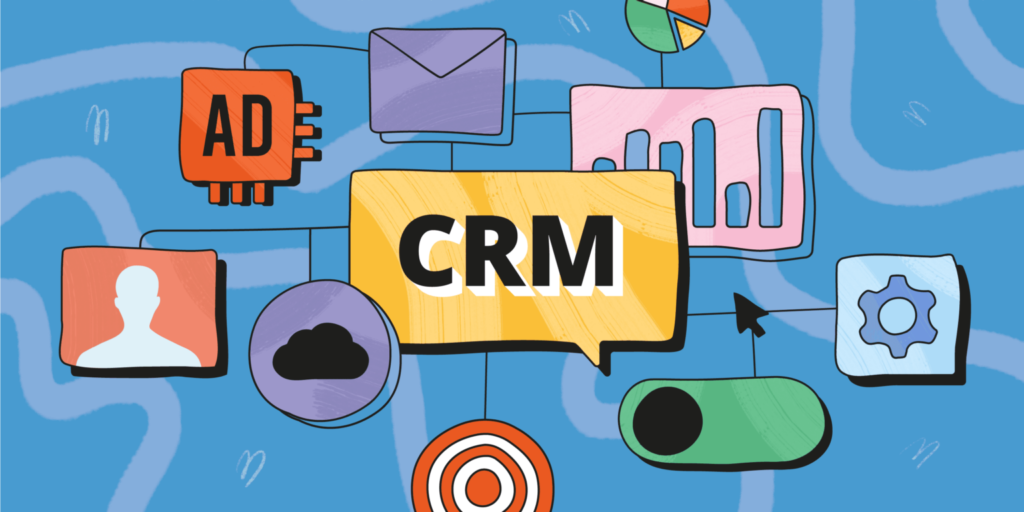
Managing customer relationships effectively is essential for business growth in today’s competitive landscape. As companies expand, relying on spreadsheets and manual processes becomes inefficient and error-prone. This is where a Customer Relationship Management (CRM) system becomes invaluable. A CRM centralizes customer data, streamlines communication, and automates key processes, enabling teams to build stronger relationships and close deals faster. By providing real-time insights and improving collaboration across departments, CRM platforms empower organizations to scale their operations seamlessly. From improving customer satisfaction to boosting sales performance, implementing the right CRM solution is a strategic move that drives long-term success.
- Scale Your Customer Management with a CRM System
- Scale Your Customer Management Efficiently with a CRM Solution
- What Are the 7 C's of CRM and How Do They Help Scale Customer Management?
- Core Components of the 7 C's: Clarity, Customization, and Consistency in CRM
- Strategic Pillars: Collaboration, Convenience, and Connection Through CRM
- Value-Driven Practice: Commitment as the Foundation of CRM Success
- How does CRM scalability enhance customer management growth?
- Supports Increased Data Volume and User Load
- Enables Advanced Personalization at Scale
- Facilitates Integration with Expanding Business Tools
- How to Evaluate CRM Effectiveness for Scaling Customer Management?
- Measuring Customer Engagement and Retention
- Assessing Sales Process Efficiency
- Evaluating Data Accuracy and System Integration
- What Are the 4 Key Pillars of CRM for Scaling Customer Management?
- Customer Data Integration and Centralization
- Automation of Sales and Marketing Processes
- Enhanced Customer Engagement and Personalization
- Frequently Asked Questions
Scale Your Customer Management with a CRM System
In today’s competitive business landscape, scaling customer management efficiently is essential for sustainable growth. A Customer Relationship Management (CRM) system enables businesses to streamline interactions with current and potential customers, centralize communication, and automate repetitive tasks. By leveraging a CRM, organizations can manage vast amounts of customer data, track sales pipelines, enhance customer support, and deliver personalized experiences at scale. Whether you're a startup or a growing enterprise, a CRM acts as the backbone of customer-centric operations, providing real-time insights and fostering stronger relationships. With powerful analytics and customizable workflows, CRMs help teams collaborate more effectively, reduce operational friction, and ensure no opportunity slips through the cracks as your business expands.
Centralize Customer Data for Seamless Access
A key advantage of using a CRM is the ability to centralize customer data from multiple touchpoints—emails, calls, social media, and transactions—into a single, unified platform. This consolidation eliminates data silos and ensures that every team member, from sales to support, has access to up-to-date and accurate customer information. With a 360-degree view of each customer, businesses can deliver consistent and personalized experiences, anticipate needs, and respond quickly to inquiries. Centralization also enhances data security and compliance, allowing organizations to manage permissions and audit trails effectively. As your customer base grows, having all relevant data in one place becomes increasingly critical for maintaining efficiency and service quality.
Automate Workflows to Boost Productivity
CRM systems offer robust workflow automation features that eliminate manual, time-consuming tasks such as data entry, lead scoring, follow-up reminders, and email campaigns. By automating these processes, teams can focus on high-value activities like closing deals and building relationships. Automated workflows ensure that leads are nurtured consistently through predefined stages, reducing the risk of human error and improving conversion rates. Additionally, automation enables scalability—businesses can handle increasing customer volumes without proportionally increasing staff. For example, a single marketing campaign can be set up once and automatically trigger personalized emails to thousands of contacts based on behavior or segmentation, all managed effortlessly within the CRM.
Gain Actionable Insights with Advanced Analytics
Modern CRMs come equipped with advanced analytics and reporting tools that transform raw customer data into actionable business insights. These tools allow managers to monitor key performance indicators (KPIs), track sales performance, measure customer satisfaction, and identify emerging trends. Customizable dashboards provide real-time visibility into business operations, enabling data-driven decision-making. For instance, predictive analytics can forecast sales outcomes or highlight at-risk customers, allowing proactive engagement. As businesses scale, the ability to understand customer behavior and operational efficiency becomes indispensable, and CRM analytics serve as a strategic asset for long-term planning and competitive advantage.
| CRM Feature | Business Benefit | Impact on Scaling |
|---|---|---|
| Lead Management | Systematic tracking and nurturing of prospects | Enables handling of higher lead volumes without loss of quality |
| Customer Support Integration | Unified ticketing and service history | Improves response times and service consistency as customer base grows |
| Sales Pipeline Visibility | Real-time tracking of deals and forecasting | Supports strategic resource allocation and revenue planning |
| Marketing Automation | Personalized campaigns across channels | Scales outreach without increasing manual effort |
| Mobile Access | CRM access from anywhere on any device | Keeps distributed teams aligned during expansion |
Scale Your Customer Management Efficiently with a CRM Solution
What Are the 7 C's of CRM and How Do They Help Scale Customer Management?
Core Components of the 7 C's: Clarity, Customization, and Consistency in CRM
- Clarity in Customer Relationship Management (CRM) ensures that every interaction with customers is transparent, purposeful, and easy to understand. It involves setting clear goals for communication, defining customer needs accurately, and streamlining data presentation so sales and support teams make informed decisions. Without clarity, miscommunication can lead to decreased customer satisfaction and inefficient internal processes.
- Customization refers to tailoring CRM strategies to fit the unique preferences, behaviors, and expectations of individual customers. Modern CRM platforms leverage data analytics and AI to deliver personalized experiences, such as targeted marketing messages, product recommendations, and adaptive customer service. This level of personalization increases engagement and strengthens loyalty over time.
- Consistency ensures that customers receive the same high level of service and messaging across all touchpoints—whether through email, social media, live chat, or in-person interactions. A CRM system maintains a centralized database, allowing every team member to access up-to-date customer information, track interaction history, and uphold the brand’s voice, thus building trust and reliability.
Strategic Pillars: Collaboration, Convenience, and Connection Through CRM
- Collaboration is essential in breaking down silos between departments such as sales, marketing, and customer service. An effective CRM system enables seamless information sharing, real-time updates, and team workflows that improve internal coordination. When teams collaborate efficiently, resolution times become faster and customer experiences more cohesive.
- Convenience focuses on making interactions effortless for customers. CRM systems support this by offering omnichannel support options, self-service portals, automated responses, and quick access to account information. By minimizing friction in customer journeys, businesses boost satisfaction rates and reduce churn.
- Connection emphasizes building meaningful, long-term relationships with customers by understanding their journey holistically. CRM tools track customer behavior across multiple platforms and stages of the buying cycle, enabling proactive engagement. These insights help companies anticipate needs, recommend relevant solutions, and foster emotional loyalty beyond transactions.
Value-Driven Practice: Commitment as the Foundation of CRM Success
- Commitment in CRM reflects an organization’s dedication to maintaining continuous engagement and delivering value over time. This includes honoring promises, following up on issues promptly, and investing in long-term customer success rather than short-term gains. A committed approach builds credibility and encourages customer retention.
- CRM systems support commitment by automating follow-ups, monitoring service level agreements (SLAs), and flagging at-risk accounts for proactive intervention. This ensures that customers feel valued and attended to, even during post-purchase phases like onboarding or technical support.
- By embedding commitment into CRM strategies, companies create a culture of accountability and customer-centricity. Employees are empowered to take ownership of customer relationships, leading to improved responsiveness, higher satisfaction scores, and increased lifetime value of clients.
How does CRM scalability enhance customer management growth?
CRM scalability refers to a system's ability to grow and adapt in line with a business’s expanding customer base and operational demands. As organizations evolve, so do their customer management needs. A scalable CRM supports increased data volume, more complex customer interactions, and integration with additional tools, ensuring consistent service quality and responsiveness. This adaptability directly enhances customer management growth by maintaining performance during expansion, improving personalization at scale, and enabling organizations to respond quickly to market changes. By aligning IT infrastructure with business objectives, scalable CRM systems support long-term customer engagement strategies.
Supports Increased Data Volume and User Load
- As businesses acquire more customers, the amount of data generated—including contact information, purchase history, and interaction logs—exponentially increases. A scalable CRM can handle growing data volumes without compromising speed or functionality, ensuring all customer details are accurately stored and readily accessible.
- When a company expands, more employees across departments such as sales, marketing, and support need CRM access. A scalable platform dynamically adjusts to increased user loads, minimizing downtime and maintaining synchronized workflows across teams.
- With robust backend architecture, scalable CRMs use cloud-based solutions or modular designs to expand storage and processing power on-demand, allowing seamless performance even during peak usage periods like seasonal campaigns or product launches.
Enables Advanced Personalization at Scale
- Scalable CRM systems integrate with analytics and AI tools to process vast datasets, uncovering customer behaviors and preferences across diverse segments. This insight allows businesses to deliver personalized communication, product recommendations, and targeted offers, even when managing millions of customers.
- As customer bases grow, maintaining a personalized experience becomes challenging without automation. A scalable CRM uses workflows and segmentation rules that adapt to larger audiences, ensuring individuals receive timely, relevant interactions based on real-time data.
- Through API connectivity, scalable CRMs pull in data from multiple channels—such as email, social media, and e-commerce platforms—creating unified customer profiles. This comprehensive view supports individualized engagement strategies across the entire customer lifecycle.
Facilitates Integration with Expanding Business Tools
- Growing businesses often adopt new software for marketing automation, customer support, ERP, or analytics. A scalable CRM is designed to integrate effortlessly with these evolving tech stacks, ensuring seamless data flow and operational harmony across platforms.
- As companies enter new markets or add product lines, they require CRM capabilities that support multilingual, multi-currency, or location-based operations. Scalable systems accommodate these features through modular add-ons or cloud-based extensions.
- With flexible APIs and support for third-party applications, scalable CRMs act as centralized hubs that connect customer data across different departments, improving coordination, reducing redundancies, and enhancing decision-making across the organization.
How to Evaluate CRM Effectiveness for Scaling Customer Management?
To evaluate CRM effectiveness for scaling customer management, organizations must adopt a structured approach that aligns CRM performance with business growth objectives. This involves assessing how well the CRM system supports customer data management, process automation, team collaboration, and insight generation. Key performance indicators (KPIs) such as customer retention rates, sales cycle length, conversion rates, and customer satisfaction scores offer quantifiable measures of success. Additionally, evaluating user adoption rates, system integration capabilities, and scalability under increasing data loads ensures the CRM can grow with the business. Regular audits, feedback loops from end-users, and benchmarking against industry standards further refine the evaluation process.
Measuring Customer Engagement and Retention
- Track customer interaction frequency across multiple channels (email, phone, social media) to assess engagement depth and consistency over time.
- Analyze retention rates and churn metrics to determine whether CRM-driven outreach and personalization strategies are improving customer loyalty.
- Utilize CRM analytics to segment customers based on behavior and engagement levels, enabling targeted campaigns that enhance relationship longevity.
Assessing Sales Process Efficiency
- Monitor the average sales cycle duration before and after CRM implementation to identify improvements in lead-to-close timelines.
- Evaluate lead conversion rates at each sales funnel stage, using CRM reports to pinpoint bottlenecks or inefficiencies in the process.
- Review automation features such as task reminders, follow-up scheduling, and proposal generation to determine how much time is saved for sales representatives.
Evaluating Data Accuracy and System Integration
- Audit data completeness and consistency across customer profiles, checking for duplicate entries, outdated information, or missing interaction histories.
- Test the CRM’s integration with other business tools (e.g., marketing automation, customer support, ERP systems) to ensure seamless data flow and real-time updates.
- Measure data entry compliance and user adherence to CRM protocols, identifying training gaps or usability issues that compromise data integrity.
What Are the 4 Key Pillars of CRM for Scaling Customer Management?
Customer Data Integration and Centralization
Effective CRM scaling begins with the integration and centralization of customer data across all touchpoints. Without a unified view of customer interactions, businesses risk delivering inconsistent experiences and missing critical insights into customer behavior. By consolidating data from sales, marketing, customer service, and online platforms into a centralized CRM system, organizations can ensure that every team accesses accurate, real-time information.
- Integrate data from multiple sources such as email, social media, e-commerce platforms, and support tickets to create a comprehensive customer profile.
- Utilize data cleansing and deduplication tools to maintain high data quality and prevent fragmented records.
- Employ APIs and cloud-based synchronization to enable seamless data flow between internal systems and the CRM platform.
Automation of Sales and Marketing Processes
Scaling customer management requires reducing manual tasks and increasing efficiency through automation. Automating repetitive processes in sales and marketing frees up time for teams to focus on building relationships and closing high-value deals. When properly implemented, automation ensures timely follow-ups, personalized communications, and consistent lead nurturing at scale.
- Set up automated workflows for lead scoring, lead assignment, and follow-up emails based on customer behavior and engagement levels.
- Use marketing automation to trigger personalized campaigns, such as welcome sequences, re-engagement emails, or product recommendations.
- Implement sales pipeline automation to track deal stages, send activity reminders, and forecast revenues with greater accuracy.
Enhanced Customer Engagement and Personalization
As businesses grow, maintaining meaningful customer relationships becomes more challenging without a strategic approach to engagement. A scalable CRM system enables personalized interactions by leveraging customer data to deliver targeted content, product suggestions, and service solutions. Personalization goes beyond using a customer’s name—it involves understanding their preferences, purchase history, and communication habits.
- Analyze customer behavior patterns to segment audiences and tailor messaging for different lifecycle stages, such as onboarding, retention, or upselling.
- Deploy dynamic content in emails and on websites that adapts based on user profiles and past interactions.
- Enable omnichannel engagement through CRM-integrated tools like live chat, social media messaging, and mobile apps to meet customers on their preferred platforms.
Frequently Asked Questions
What is a CRM and how can it help scale customer management?
A CRM (Customer Relationship Management) system organizes customer interactions, streamlines communications, and tracks sales processes. It helps businesses manage large volumes of customer data efficiently, improving response times and personalization. By centralizing information, a CRM enhances team collaboration and enables data-driven decisions, supporting growth. It also automates repetitive tasks, saving time and reducing errors, making it essential for scaling customer management effectively as your business expands.
How does a CRM improve customer satisfaction?
A CRM improves customer satisfaction by ensuring timely and personalized interactions. It stores customer history, preferences, and past communications, allowing teams to respond quickly and accurately. With better access to information, support and sales teams provide consistent service across channels. Automated follow-ups and reminders also reduce delays. These efficiencies lead to stronger relationships, increased trust, and higher retention rates, directly enhancing the overall customer experience as your business grows.
Can small businesses benefit from using a CRM for scaling?
Yes, small businesses can greatly benefit from using a CRM to scale. It helps manage growing customer demands efficiently, even with limited resources. A CRM organizes contacts, tracks sales pipelines, and automates marketing tasks, increasing productivity. It also provides insights into customer behavior, supporting smarter decisions. As the business grows, the CRM scales with it, ensuring smooth operations. Early adoption builds strong customer management practices essential for sustainable growth and competitive advantage.
What key features should I look for in a CRM for scaling customer management?
Look for automation tools, contact and lead management, sales pipeline tracking, integration capabilities, and reporting analytics. A user-friendly interface and mobile access are also important for team adoption. Scalable pricing and cloud-based access ensure flexibility as your business grows. Advanced features like AI insights and email tracking add value. Choose a CRM that adapts to increasing data and user demands while maintaining performance, security, and seamless workflow integration across departments.
Leave a Reply